Vegetarian Meat Machine
A Vegetarian Meat Machine (often called a TVP/TSP Production Line) is a
high-tech system that transforms plant proteins (mostly soy, pea, or wheat)
into a fibrous, chewy texture that mimics animal meat.
To achieve the "meaty" bite, the line uses an integrated
process of Soaking, Mixing, and High-Shear Extrusion.
1. The 3-Stage Integrated System
|
Unit |
Function |
Technical Detail |
|
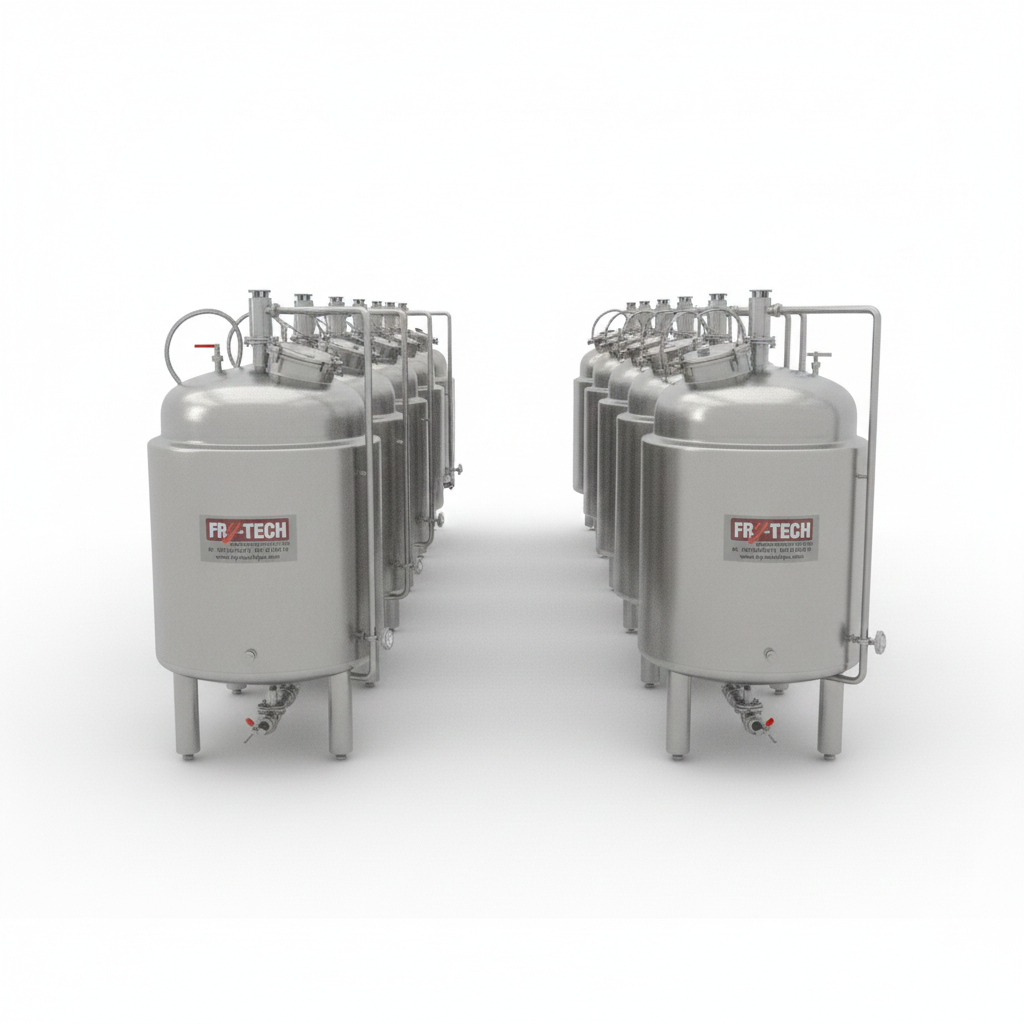
Soaking Tank |
Hydrates the raw soy/pea protein flakes or beans. |
SS 304 Jacketed tanks with auto-water level and temperature sensors to
prevent over-soaking. |
|
Industrial Mixer |
Blends the hydrated protein with binders, fibers, and flavors. |
Double Shaft Ribbon Mixer or Vacuum Mixer to ensure no air bubbles and
perfectly uniform dough. |
|
Twin-Screw Extruder |
The "Meat Maker" that creates the fiber. |
Uses high heat (150C) and pressure to
"re-align" protein molecules into meat-like fibers. |
2. Types of Vegetarian Meat Produced
- Dry TVP
(Textured Vegetable Protein): Soya chunks, nuggets, or mince. These
have a long shelf life and need rehydration before cooking.
- High
Moisture Meat Analogues (HMMA): This is the "Next-Gen" plant
meat (like Beyond Meat or Impossible). It comes out of the
machine "wet" and fibrous, looking exactly like raw chicken or
beef strips.
- Vegetarian
Patties/Nuggets: Formed from the mixed paste using a Vege-Meat Former.
3. Technical Specifications (Industrial Line)
- Capacity:
150 kg/hr to 1,000 kg/hr.
- Core
Technology: Twin-Screw Extrusion (Single-screw is only for basic snacks;
Twin-screw is required for "Meat" texture).
- Cooling
System: A "Long Cooling Die" is used at the end of the extruder
to solidify the fibers before they exit.
- Automation:
Full PLC control to manage the precise ratio of water-to-protein.

