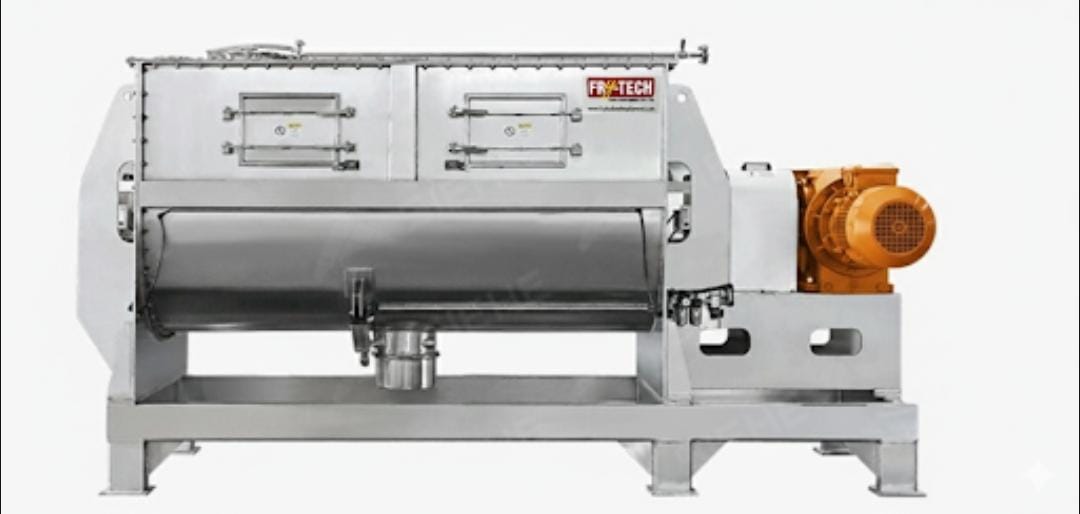
Blanching Machines For Vegetables And Potatoes
In industrial food processing, Blanching Machines are
essential for pre-treating vegetables and potatoes before freezing, drying, or
frying. The process involves a short heat treatment (70°C to 100°C) to
deactivate enzymes (like peroxidase) that cause browning and off-flavors, while
also softening the tissue for better processing.
1. Main Types of Blanching Machines
Depending on the product's fragility and production
volume, manufacturers choose between these three primary designs:
|
Machine Type |
Mechanism |
Best For... |
|
Belt Blancher |
A mesh conveyor carries products through a hot water or
steam tunnel. |
Delicate vegetables like spinach, broccoli, and sliced
mushrooms. |
|
Screw (Auger) Blancher |
An internal screw (auger) moves the product through a
heated trough. |
Root vegetables, potatoes (french fries), and corn. |
|
Rotary Drum Blancher |
A perforated drum rotates in a water bath, tumbling the
product. |
Peas, beans, sliced carrots, and firm potato cubes. |
2. Specialized Blanching for Potatoes
For potato chips and french fries, blanching serves
specific technical purposes:
- Starch
Removal: It washes away surface starch to prevent chips from sticking
together in the fryer.
- Sugar
Leaching: It removes reducing sugars (like glucose) that would otherwise
cause the potato to turn dark brown or "burnt" during high-heat
frying.
- Texture
Control: It gelatinizes the starch, which helps achieve a crispy exterior
and fluffy interior in french fries.
3. Heating Methods: Water vs. Steam
Modern industrial blanchers use one of two main heat
transfer media:
A. Hot Water Blanching (Immersion)
- Mechanism:
Submerging product in water at 9$70$°C–10$100$°C.
- Pros:
Highly uniform heating; effective at washing away surface contaminants.
- Cons:
Higher risk of "leaching" water-soluble vitamins (Vitamin C) and
minerals.
B. Steam Blanching
- Mechanism:
Exposing product to saturated steam at atmospheric pressure.
- Pros:
Minimal nutrient loss; higher energy efficiency; less wastewater
(effluent) generated.
- Cons:
Can result in uneven heating if the product layer on the belt is too
thick.
4. Technical Specifications & Pricing
Industrial blanchers are typically constructed from SS
304 or SS 316 food-grade stainless steel to prevent corrosion from hot water
and steam.
5. Key Features for Automation
- PID
Temperature Control: Uses sensors and solenoid valves to maintain water
temperature within ±1°C.
- VFD
Speed Control: Allows you to adjust the "residence time" (e.g.,
2 mins for peas vs. 5 mins for potato strips).
- Self-Lifting
Hoods: Pneumatic systems that lift the top covers for easy cleaning and
maintenance.
- Integrated
Cooling: High-speed lines often include a cooling section immediately
after the blancher to stop the cooking process instantly.

